
SLEEP HEALTH, EXPLAINED
UNDERSTANDING SLEEP APNEA
What is it, why it matters, and how a custom oral appliance can help you breathe and sleep easier tonight.

CNN VIDEO
Dr. Daniel Barone on what sleep apnea really looks like
The Weill Cornell sleep specialist explains what happens during an apnea episode and how it affects long-term health.
Daniel Barone, MD - Weill Cornell Center for Sleep Medicine
THE BASICS
What is sleep apnea?
Sleep apnea is a sleep disorder that causes breathing to stop and start repeatedly during sleep. This can happen hundreds of times a night, and each time your breathing stops, your body is deprived of oxygen.
The two main types of sleep apnea are: obstructive sleep apnea (OSA) and central sleep apnea (CSA).
Obstructive sleep apnea (OSA)
The most common type. Throat muscles relax and block the airway during sleep — often linked to obesity, large tonsils, a deviated septum, or a narrow jaw.
Central sleep apnea (CSA)
Less common. The brain doesn't send proper signals to breathe during sleep, often tied to conditions like heart failure or stroke.
LEFT UNTREATED
The risks add up quickly
Untreated Sleep Apnea has serious health related consequences. A single bad night leaves you tired and irritable. Years of untreated sleep apnea can affect your whole body. It’s important to see a doctor for diagnosis and treatment.
High blood pressure
ADHD
Heart disease
Depression
Headaches
Obesity
Stroke
Mental Health
Type 2 diabetes
SEVERITY VARIES
Moderate to severe - the signs to watch for
These breathing disruptions can trigger a cascade of health issues, including:
Loud snoring
Gasping or choking at night
Daytime sleepiness
Morning headaches
Dry mouth
Reduced focus
Irritable and frustrated
Insomnia
Breathing problem while sleeping
Feeling sleepy
Waking up in the night
Chest pain at night
Experiencing chest pain
Hard time focusing
Diagnosis
It's important to see a doctor
Symptoms overlap with everyday tiredness, which is exactly why untreated sleep apnea goes unnoticed for years. A proper evaluation is the only way to know for sure — and treatment options are more comfortable than most people expect.
TREATMENT
Oral appliance therapy
A comfortable alternative to CPAP for mild to moderate sleep apnea and snoring.
Keeps the airway open
A custom-made mouth guard gently advances the lower jaw while you sleep.
1
Tightens soft tissue
This prevents the vibration and obstruction that trigger snoring and apnea events.
2
Keeps the tongue in place
Relaxed throat tissue and the tongue are kept from rolling back and blocking airflow.
3
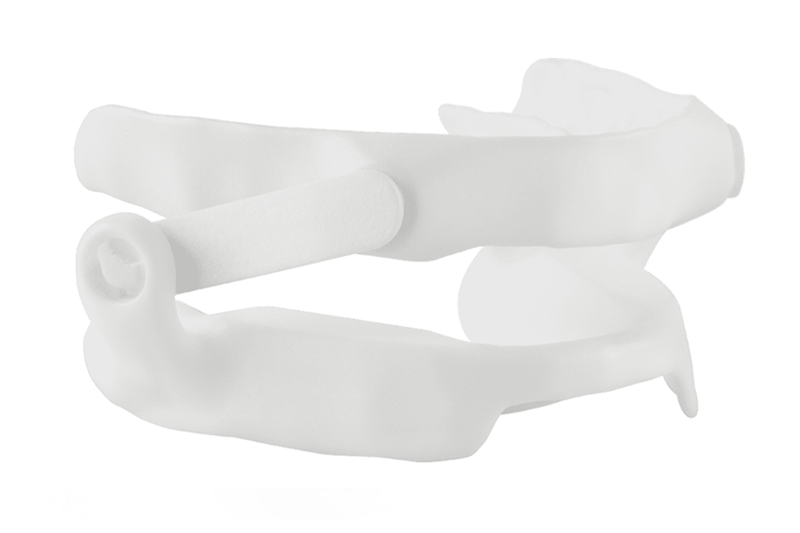
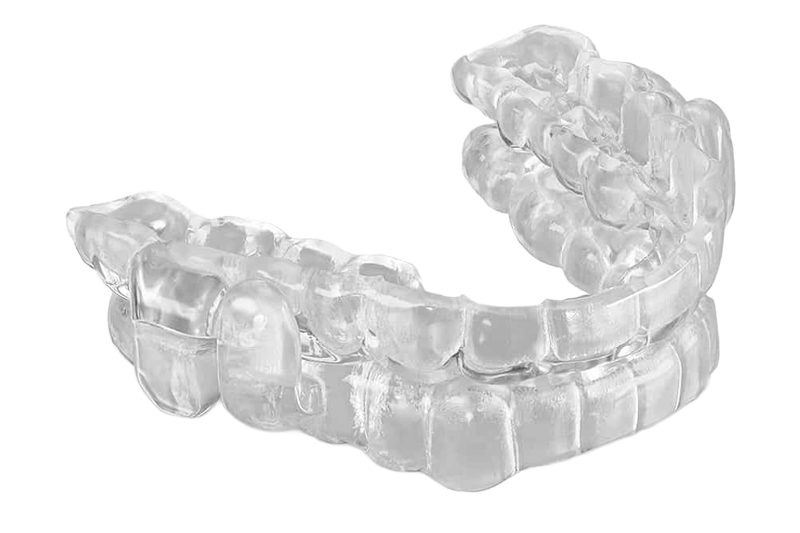
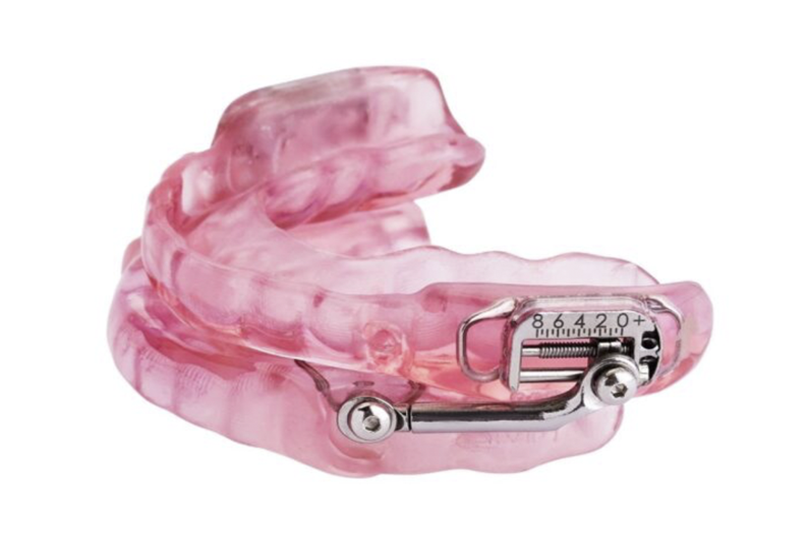
A sample of the custom oral appliances Dr. Darabi fits in office
A quieter, better night’s sleep awaits.
We bill Medicare and most major insurance plans. Call to verify your coverage.